Boomtowns: Urbanization and the Future of Modern Counterinsurgency
In today’s world of increasing globalization and homogenization, it’s easy to think everything, everywhere, is similar. McDonald’s operates over 44,000 locations in 117 countries, 60% of the world. Subway stations in Paris look similar to those in Athens, Seattle, Seoul, or Tehran. “Global products” like the iPhone cover the globe, with a significant portion of humanity consuming the same monoculture of sports, music, and entertainment.
It would appear, too, that conflict is becoming increasingly homogenized in the twenty-first century, as increasing urbanization and the international distribution of weapons and tactics permeate the globe in a dense fog of martial sameness.
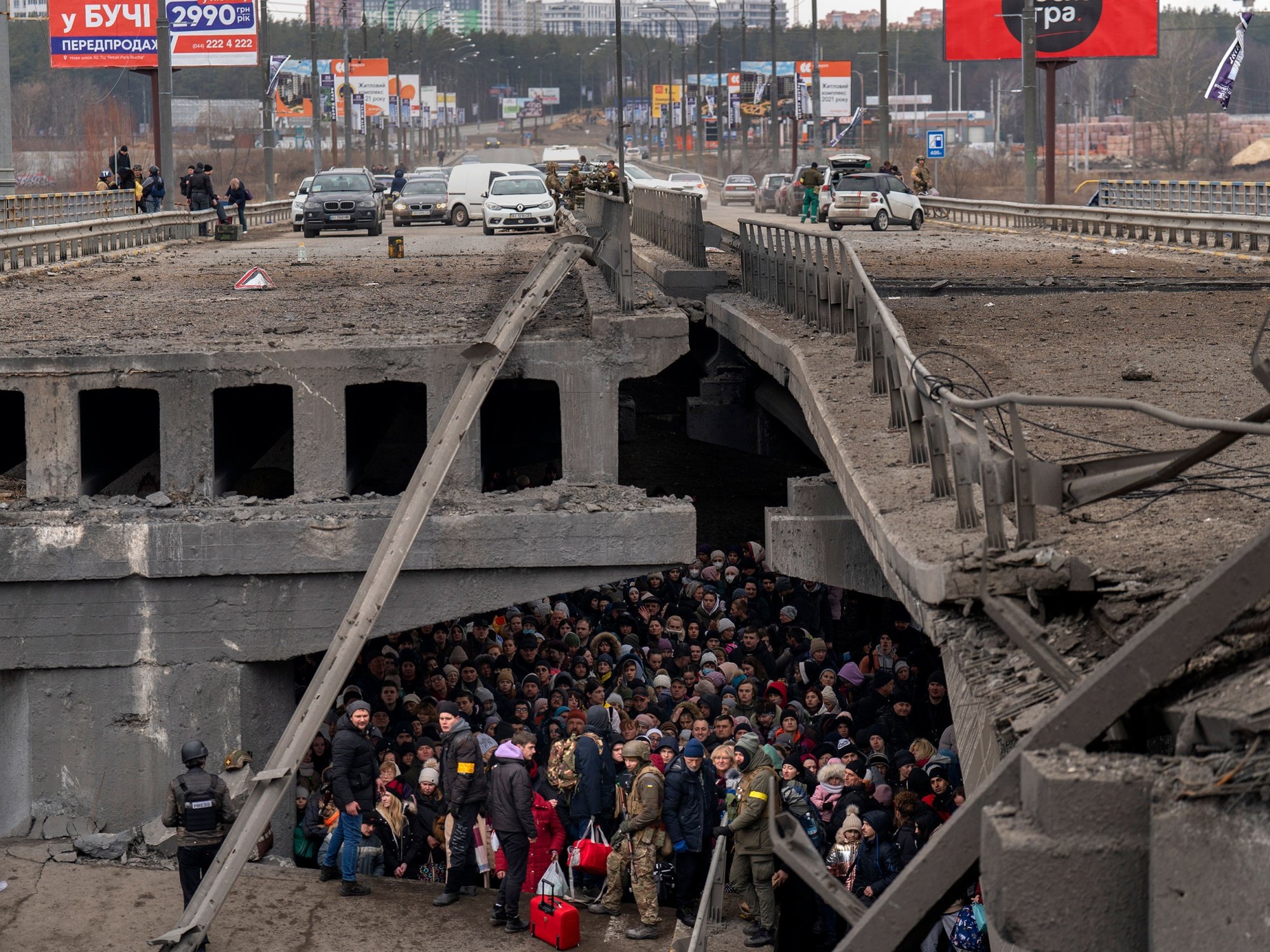
As the tactics and objectives of modern conflict grow increasingly similar, some military tacticians argue armies’ responses ought to be increasingly similar, too. Indeed, the U.S. Army Counterinsurgency Field Manual States: “All insurgencies are different; however, broad historical trends underlie the factors motivating insurgents. Most insurgencies follow a similar course of development. The tactics used to successfully defeat them are likewise similar in most cases.”
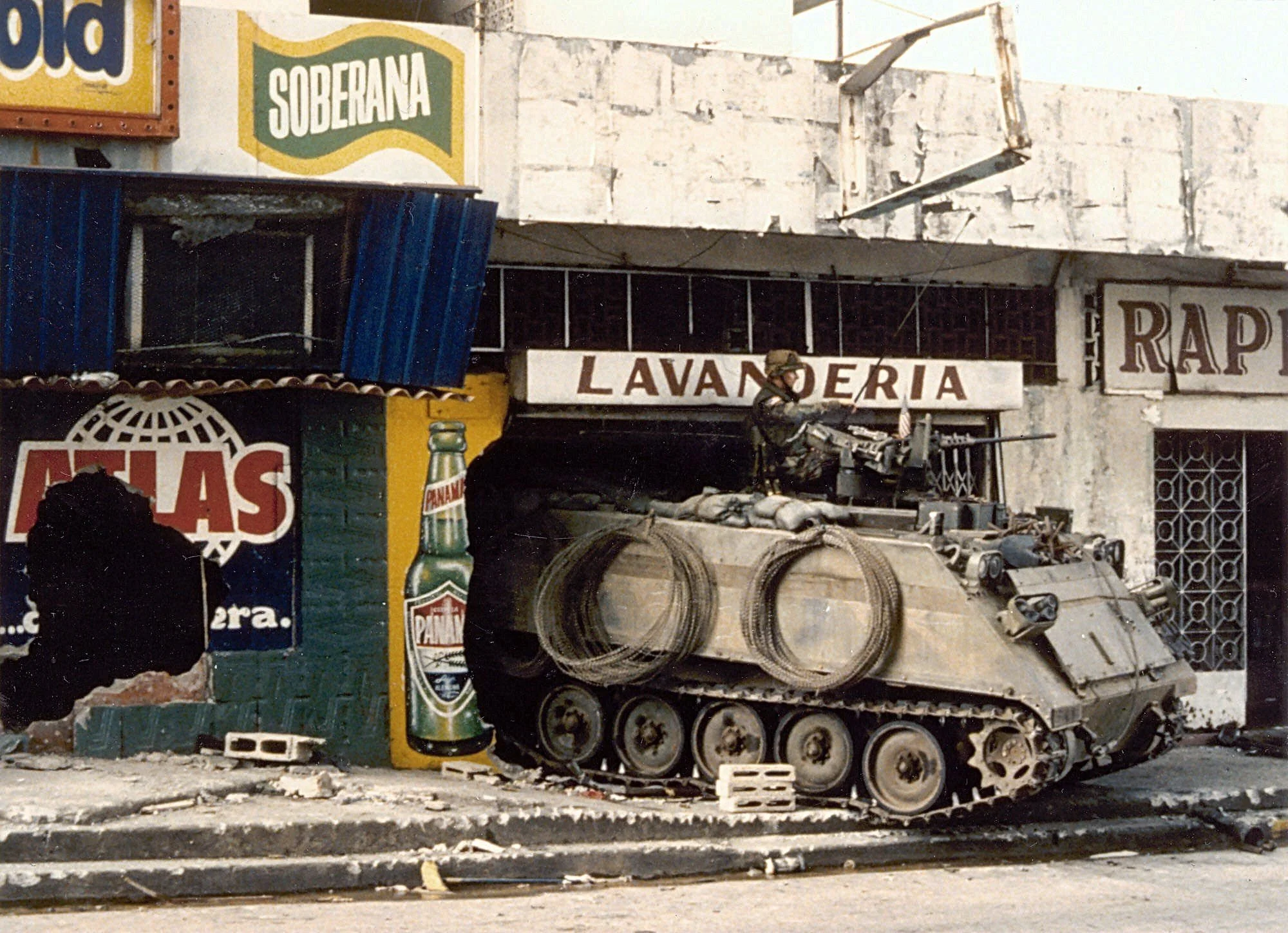
At first glance, this claim seems obviously wrong—how could different insurgencies, started over different issues, comprised of different fighters, and occurring in different places, possibly be the same? Indeed, there exist numerous, varying Cold War-era cases of insurgency that serve as a counterexample to such a claim: UNITA in Angola, The FMLN in El Salvador, The Shining Path in Peru, and the Afghan Mujahideen, for example, all developed, organized, fought, and existed for different reasons, with different tactics, and over different periods of time.
However, the first two decades of the twenty-first century have marked a departure from a world of variable insurgency, as increasing urbanization has moved insurgents’ spheres of influence from varying rural, peripheral settings to uniform bustling cities and metropolitan areas. As human societies evolve and urbanize, modern insurgency and conflict take on increasingly homogenous forms, and require increasingly convergent counterinsurgency measures, in line with the Field Manual’s claim.
Much like how a genotype, the underlying genetic constitution of an organism, informs a creature’s phenotype (or outward characteristics), this article will examine two sets of insurgency identifiers—resource-rich vs. resource-poor and politically affiliated vs. religiously affiliated—which will serve as independent variables to test for the dependent variable of insurgency formation, organization, and behavior, which necessitates a certain counterinsurgency (COIN) response.
This article will begin with the assertion that the Field Manual was once incorrect by assessing the evident disparity between insurgent development and COIN tactics in the twentieth century, focusing on Cold War-era examples of resource-rich and poor insurgencies (Angola’s UNITA vs. El Salvador’s FMLN) and case studies of politically organized groups like Peru’s Shining Path compared to Afghanistan’s Islamist Mujahideen. The article will then proceed by arguing that although the Field Manual was once empirically incorrect in its claim about insurgency—and counterinsurgency—similarity, increasing urbanization in the twenty-first century has served to homogenize conflict by weakening the causal influence of the independent variables on the dependent variables. Donbas’ resource-rich, Russian-backed separatists developed and operated with a high degree of similarity to Ukraine’s grassroots Euromaidan protests, and necessitated similar governmental responses. Kurdistan’s PKK, like ISIS, had rural origins in the twentieth century, but then increasingly expanded its operational focus into cities, serving as an insurgent quasi-government embedded in cities competing with governments for control of urban space, legitimacy, and order. As a result, contemporary COIN operations across very different contexts now rely on a common toolkit of urban control, alliance management, and governance competition, making the Field Manual’s core intuition more accurate today than it was for the insurgencies that originally inspired it.
First, the Field Manual makes two claims: insurgencies share a broadly similar course of development, and therefore, effective counterinsurgency tactics are also broadly similar.
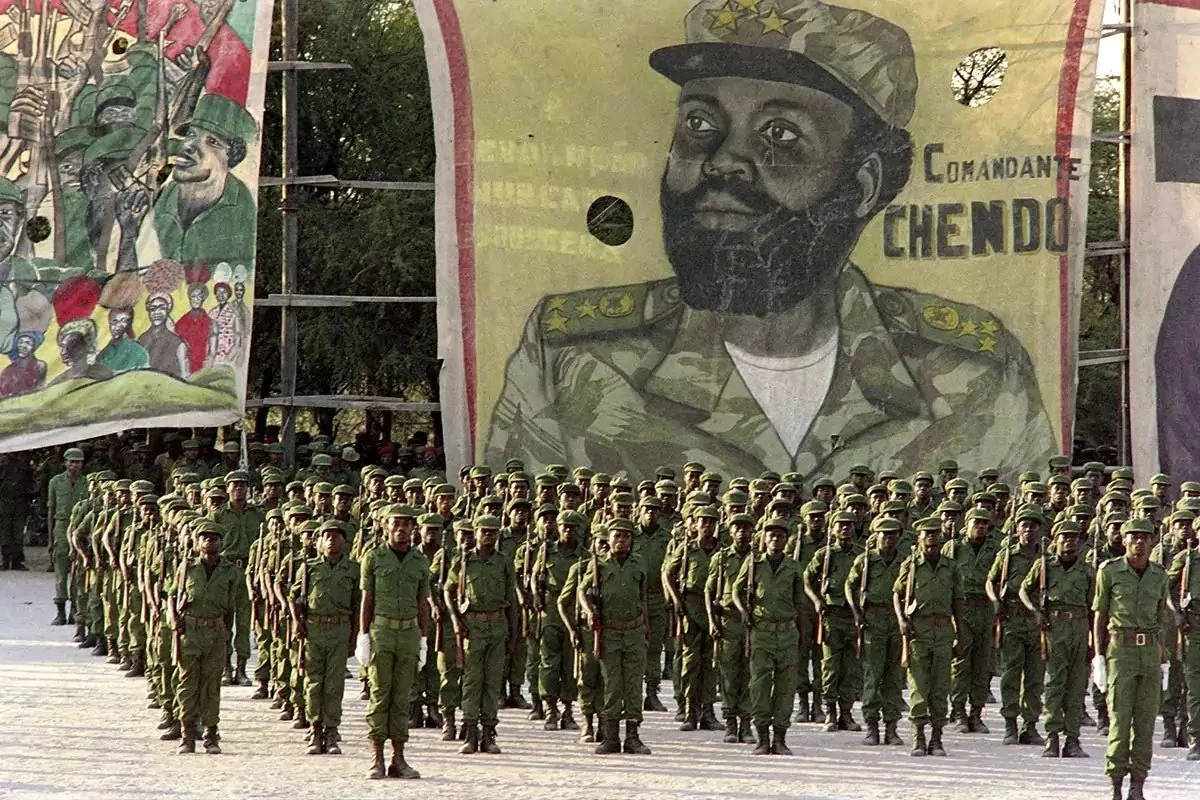
Yet Cold War-era insurgencies had differences in development and necessitated different COIN responses, disproving the Field Manual. Firstly, natural resource availability—and absence—causes tremendous variation in insurgency development and manifestation by influencing rebel recruitment structure, cohesion, and patterns of violence. Resource-rich insurgent groups, such as Angola’s National Union for the Total Independence of Angola (UNITA for short), act fundamentally differently than insurgents with no access to material wealth, since they are able to finance themselves independently of the population and do not rely on popular support to thrive. In the late 1970s, UNITA gained access to diamond mines, letting them recruit opportunistic fighters drawn to insurgency out of profit and material gain rather than ideology or discipline.

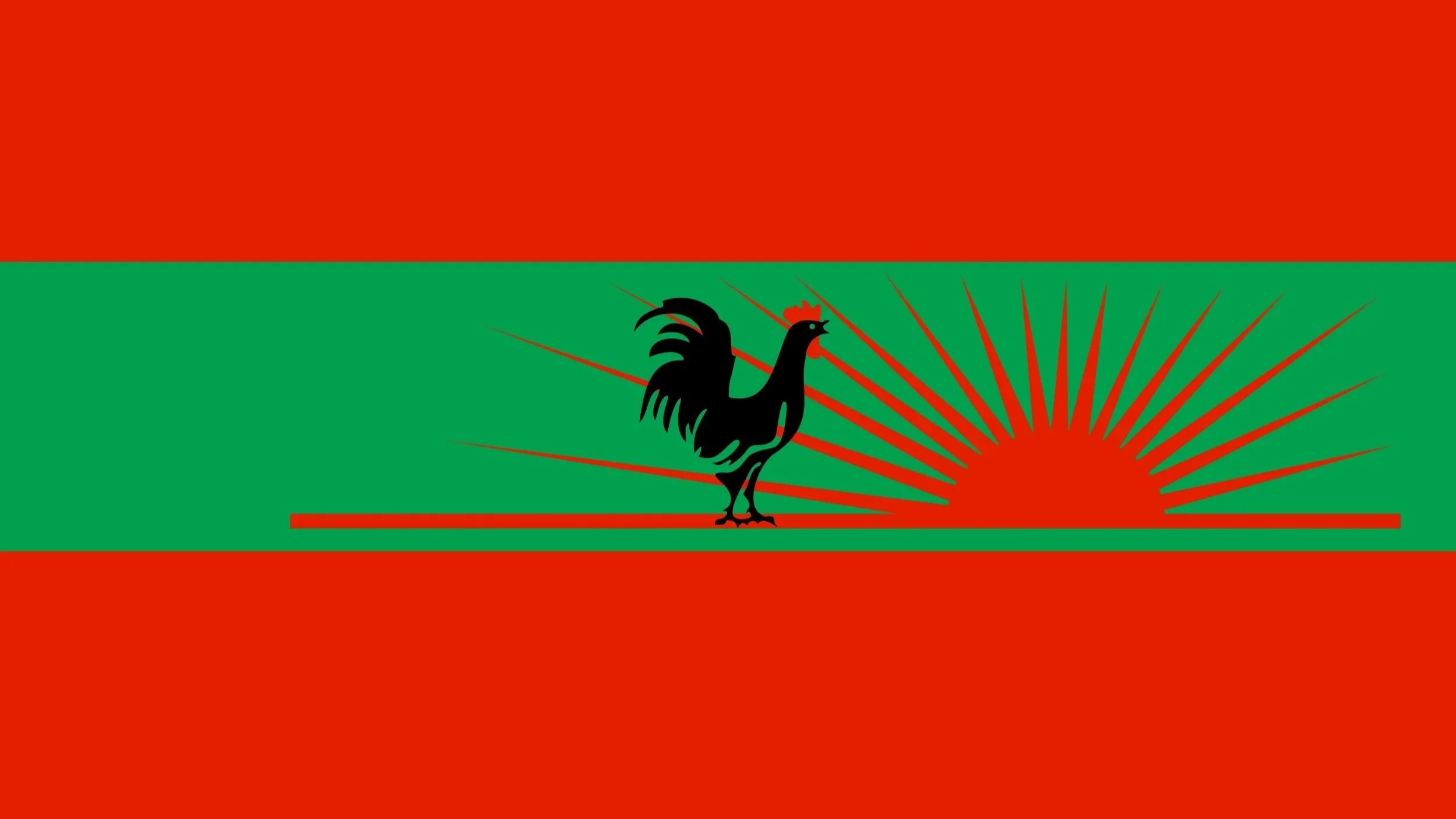
As political scientist Jeremy Weinstein predicts, UNITA developed weak internal control, factionalized leadership plagued by assassinations, and a pattern of indiscriminate violence toward civilians, behaviors all stemming from its economic foundation on looted resources and opportunistic members. Conversely, resource-poor groups, such as El Salvador’s FMLN, exhibit fundamentally different behaviors as insurgents, relying on ideology and social networks while practicing selective violence.
Unlike UNITA, which wooed opportunistic, violent members drawn by personal gain, the FMLN was unable to offer its members material incentives and instead relied heavily on peasant networks, political organizing, and strong ideological messaging rooted in Marxist and anti-oligarchic themes to combat land inequality in El Salvador. In line with Weinstein’s theory, the FMLN exhibited a strikingly different course of insurgency development compared to UNITA, exhibiting more cohesive, coherent leadership, stricter internal discipline, and committing more restrained, selective violence toward civilians.
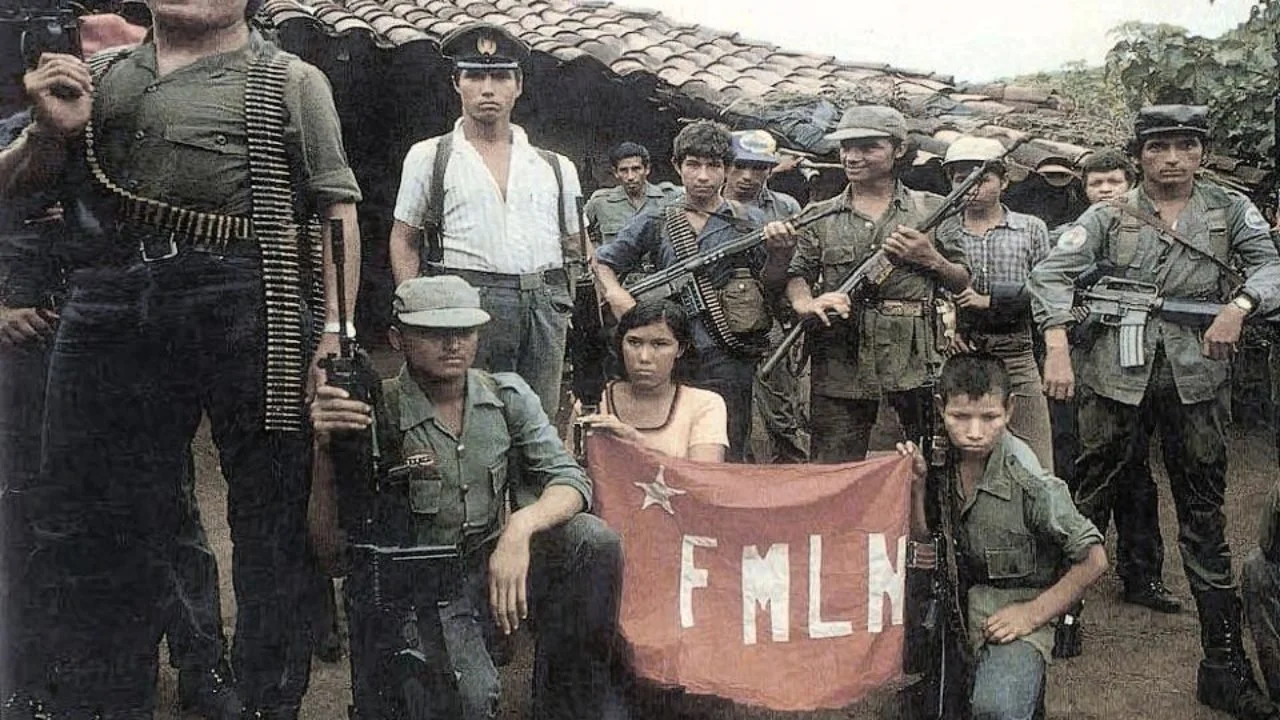
Their strategic attention to legitimacy, civilian support, and ideological strength reflects Weinstein’s claim that when insurgents lack material wealth, they must recruit devoted members and behave in ways that maintain community trust. Thus, the presence or absence of natural resources produces fundamentally different insurgencies, with different trajectories, leadership and recruitment structures, and patterns of violence. The disparity between UNITA’s predatory, opportunistic behavior and the FMLN’s disciplined, ideological mobilization displays how insurgencies do not follow uniform paths of development, directly rebutting the Field Manual’s claim.
Relatedly, insurgencies that organize around political or religious ideals follow different developmental trajectories because the element of society from which insurgencies draw legitimacy mandates how insurgents mobilize, organize, govern, and fight.
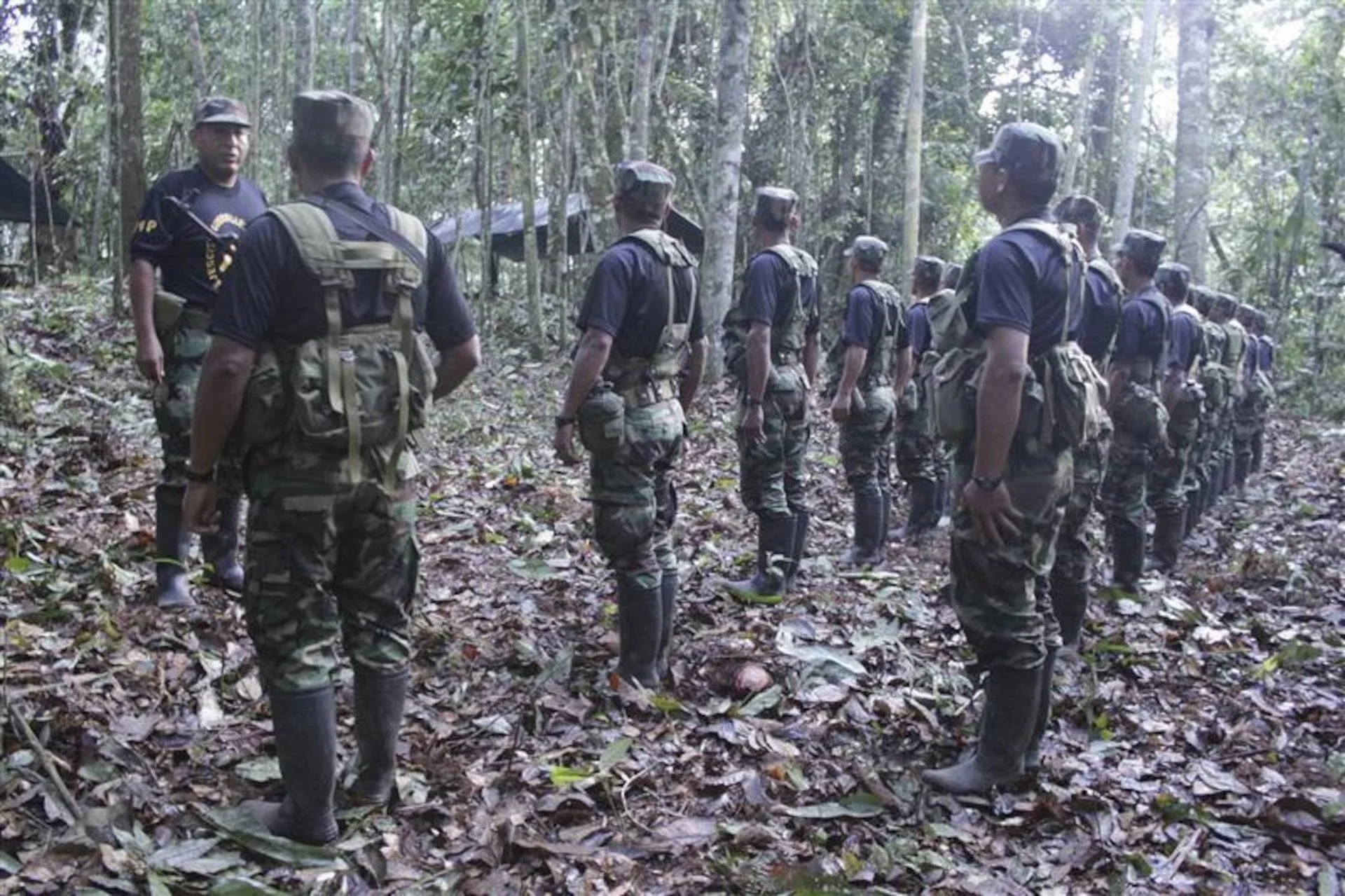
Founded in 1969 as the Communist Party of Peru, the Shining Path was a politicized vanguard movement, framing its struggle as a Maoist revolution on behalf of a reimagined Peruvian peasantry and organizing around a tightly centralized party apparatus. Cadres were recruited through universities and peasant communities, then subjected to layers of ideological training and discipline that bound them to Abimael Guzmán's (known by his nom de guerre “Presidente Gonzalo”) worldview.
Decision-making flowed hierarchically from a small, secretive leadership to regional committees and village cells, and the party carefully choreographed violence to signal its transformative ambitions: selective assassinations of local authorities, spectacular attacks on infrastructure, and brutal punishment of “class enemies” who resisted the new order. The Shining Path adopted such a deliberate plan of violence in an effort to construct a durable political order. The Shining Path competed with the state in the contest of state building, establishing a cohesive rebel order in which it sought to systematically replace state authority with its own parallel institutions and governance structures. Governance in areas of Shining Path influence thus mirrored its Communist aspirations: insurgent courts, revolutionary “people’s assemblies,” and coercive social engineering aimed to uproot existing communal structures and replace them with a purified revolutionary society.
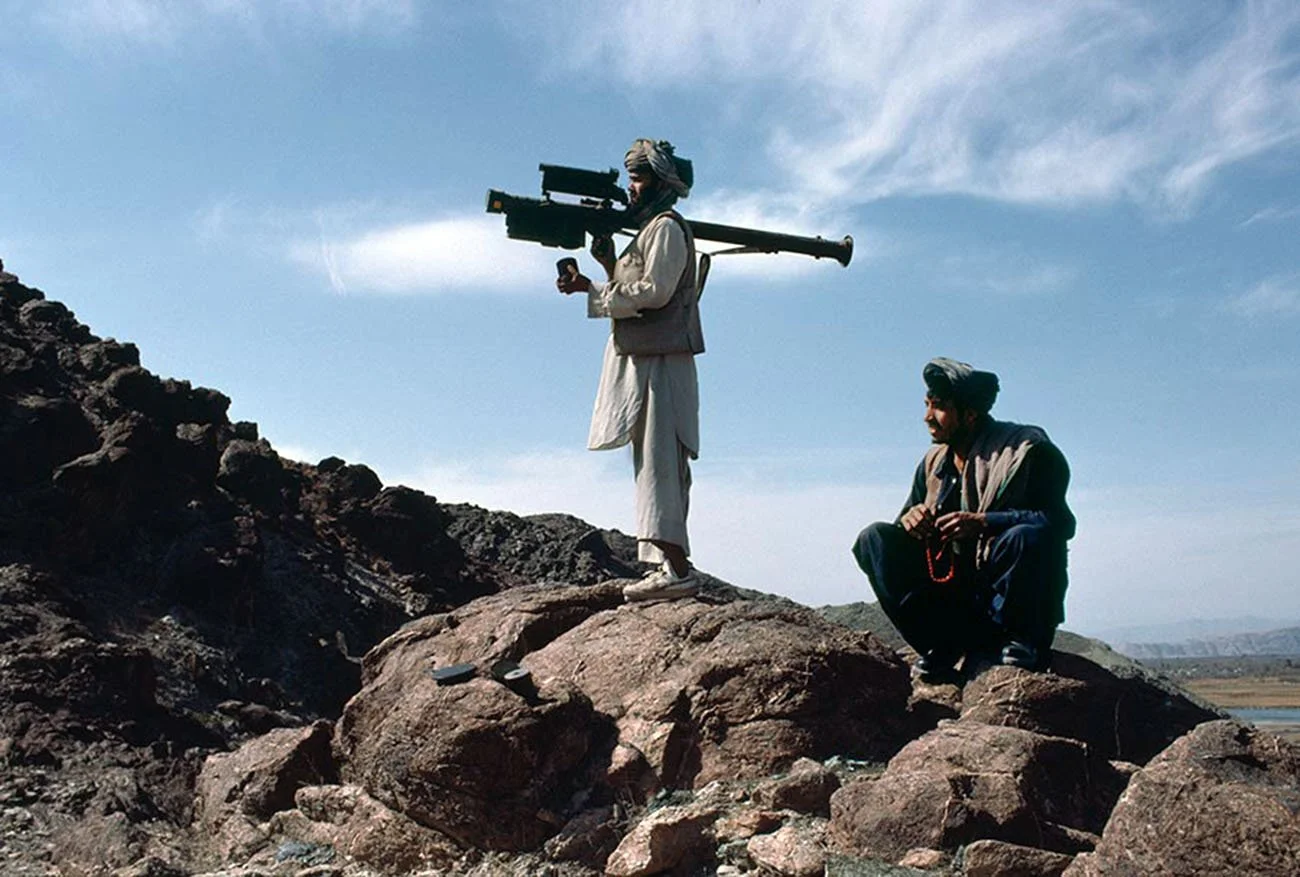
Derived from the plural of mujahid, “one who engages in jihad,” and taken literally to mean “those who struggle on behalf of Islam,” the Afghan Mujahideen during the 1979 Soviet Invasion, by contrast, drew their legitimacy primarily from a common Islamist tradition across scattered, pre-existing tribal and communal networks, which proved conducive to far looser, coalition-based organizational form. Rather than stemming from a single party center, multiple Islamist factions waged jihad against the Soviets and innumerable local commanders relied on their individual reputations of piety and prowess for access to patronage from Pakistan, Saudi Arabia, and the United States for funding and arms. Mobilization thus proceeded through mosque networks, tribal elders, and refugee camps, with recruitment and tactics largely devolved to autonomous field commanders.
The resulting wartime political orders were fragmented and often competitive: overlapping insurgent and state authorities produced a patchwork of “shared sovereignty,” clashing jurisdictions, and local accommodations rather than a single, coherent rebel regime. Governance, where it existed, tended to reinforce rather than revolutionize local social orders, and intra-mujahideen rivalries frequently produced fragmented rule and indiscriminate violence. Taken together, political and religious insurgencies in the late twentieth century generated markedly different organizational “phenotypes,” underscoring how far empirical reality diverged from the Field Manual’s universalist claims.
The Field Manual also claims that counterinsurgency tactics are largely uniform, but because different variables generate substantial differences in insurgent development, structure, and recruitment, the strategies to defeat them vary in a similar way, rendering the Manual’s second assertion false. As Andrew Krepinevich argues with his case study of American failure in Vietnam, successful counterinsurgency requires adapting tactics to the social and organizational structure of the insurgency; the Pentagon’s cookie-cutter warfighting approach, focused on firepower and attrition, failed miserably against the elusive Viet Cong.
Since Weinstein acknowledges that access to natural resources can influence insurgent cohesion, recruitment structure, and patterns of violence, the counterinsurgency tactics used to quell resource-rich and poor insurgencies vary drastically. As discussed above, UNITA’s resource-rich structure attracted undisciplined, opportunistic members and granted them autonomy from civilians, enabling indiscriminate violence. Against such groups, population-centric counterinsurgency tactics fail because the insurgents do not need the population’s support to survive. Instead, effective tactics included ones that placed strain on UNITA’s economic lifelines: targeting of mining sites, destruction of rebel trading networks, denial of safe havens, or border interdiction. Contrastingly, such tactics are useless in the example of the resource-poor FMLN, whose organizational structure centers around popular support and ideological unity. The Salvadoran Government’s counterinsurgency tactics thus focused heavily on civic action programs, political outreach, and real-world security improvements, reforms designed to erode the FMLN’s base of popular support, tactics that would have proved entirely useless against a nonmajoritarian, resource-rich insurgency like UNITA. The clear difference in COIN tactics across these cases demonstrates how natural resource presence—or lack thereof—directly influences how insurgencies must be countered, disproving the Field Manual’s assertions.
Just as resource endowments produced different counterinsurgency requirements, so too did insurgencies founded upon political versus religious bases, as the comparison between The Shining Path and the Afghan Mujahideen makes evident. Because The Shining Path was a highly centralized, ideological vanguard seeking to replace existing local orders with an integrated revolutionary project-cum-quasi-state, the Peruvian government could not simply rely on attritional military operations; it had to contest the insurgency’s claim to political authority and social reorganization. Since The Shining Path aimed to build a cohesive rebel political order in which parallel insurgent institutions systematically displaced state authority, it meant that effective COIN required dismantling those selfsame institutions by empowering alternative local authorities rather than merely killing guerrillas. Over time, Lima’s most successful tactics therefore combined improved intelligence and targeted repression against the party’s leadership with the cultivation of peasant self-defense militias and limited political openings, a strategy more in line with Kalyvas’s prescription of selective, information-centric violence when dealing with Marxist insurgencies.
By contrast, the Mujahideen’s religiously-framed, factionalized coalition, rooted in tribal, clerical, and refugee networks and heavily penetrated by external patrons, posed a very different COIN problem for the Kremlin. Soviet and regime forces treated the conflict as a conventional war, relying on firepower, heavily mechanized forces, aerial bombardment, and forced displacement, a strategy that backfired badly in a setting where legitimacy was mediated through local communal and religious intermediaries and where insurgent authority was fragmented rather than centralized. As Lyall and Wilson identify, highly mechanized forces often struggle in COIN deployment since they have lower social embeddedness than campaigns focused on “winning hearts and minds,” collect poor information from local populations, and fail to establish trust and legitimacy amongst those locals while also estranging the counterinsurgents from the communities they are tasked with defending. Later efforts by the Afghan government and its external backers confronted the challenge identified by Lyall and Blair: civilian support for combatants in Afghanistan was shaped less by abstract ideology than by immediate security, grievances, and expectations about future control, which made heavy-handed coercion counterproductive and required bargaining with, co-opting, or splitting local commanders rather than simply annihilating them.
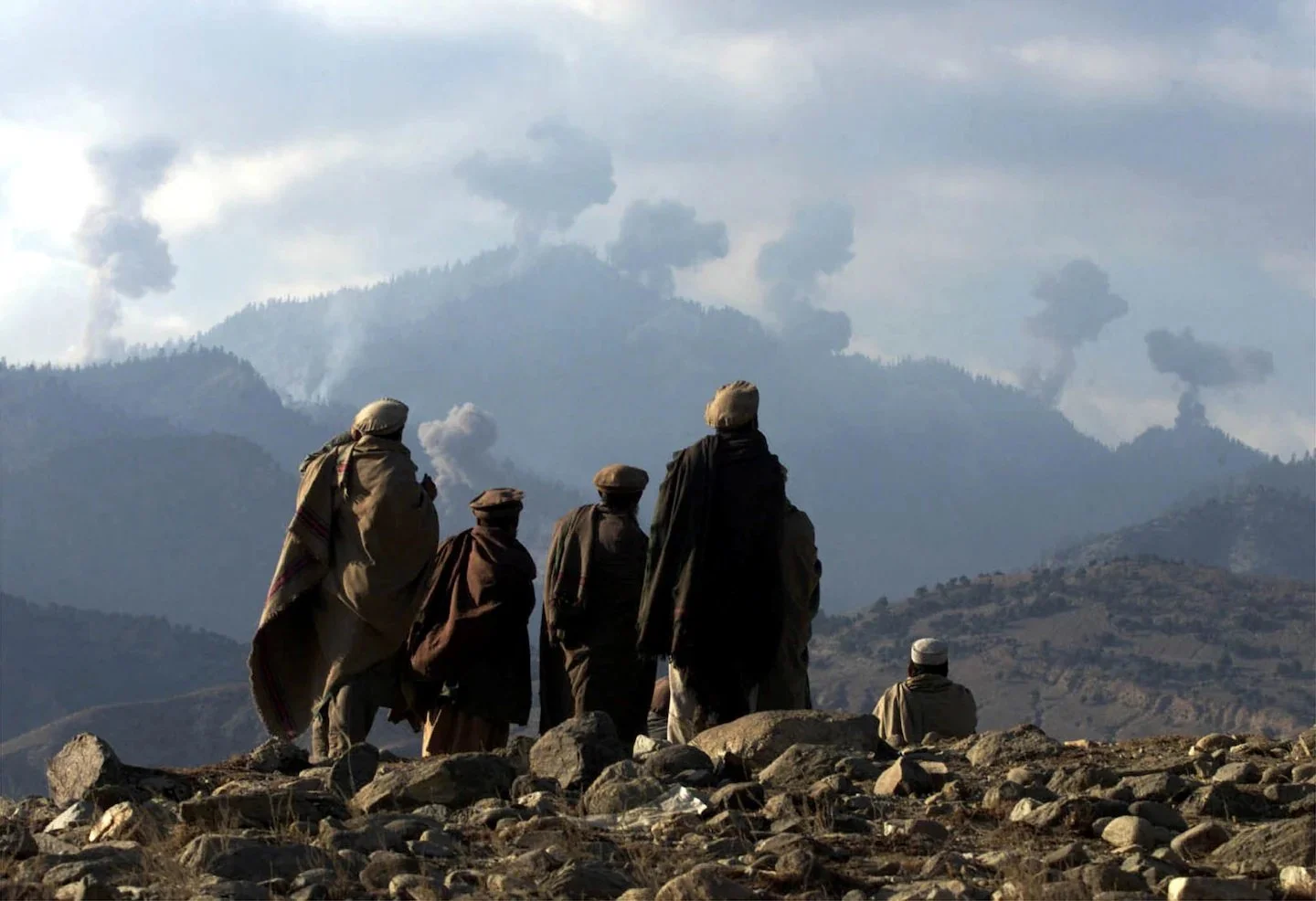
Whereas The Shining Path’s centralized, ideological project could be partially rolled back by a mix of targeted repression, local militias, and limited political reform, the Mujahideen’s decentralized, religiously-anchored coalition demanded COIN centered on managing alliances, patronage networks, and local security providers to shift incentives. The stark divergence in effective state responses again undercuts the Field Manual’s contention that there exists a broadly uniform repertoire of successful COIN tactics—political vs. religious affiliation produced different social bases, alliance structures, and therefore required different mixes of coercion, political reform, and co-optation.
However, recent historical trends in the twenty-first century have begun to slowly prove the Field Manual correct. Increasing urbanization of human populations since the end of the Cold War has muddied the effectiveness of the independent variables as causal factors of varying insurgent organization by driving increased homogenization of insurgency and counterinsurgency. Central to this shift is Princeton political scientist Mark Beissinger’s theory of the “Revolutionary City”, which views the city as an environment where people, media, infrastructure, and state power are concentrated in a small space and thus hotly contested as the key battlegrounds of political control. Despite different twenty-first-century insurgencies possessing different characteristics evident in the independent variables, it is the Revolutionary City that informs their development, tactics, and goals, serving to homogenize insurgent nature.
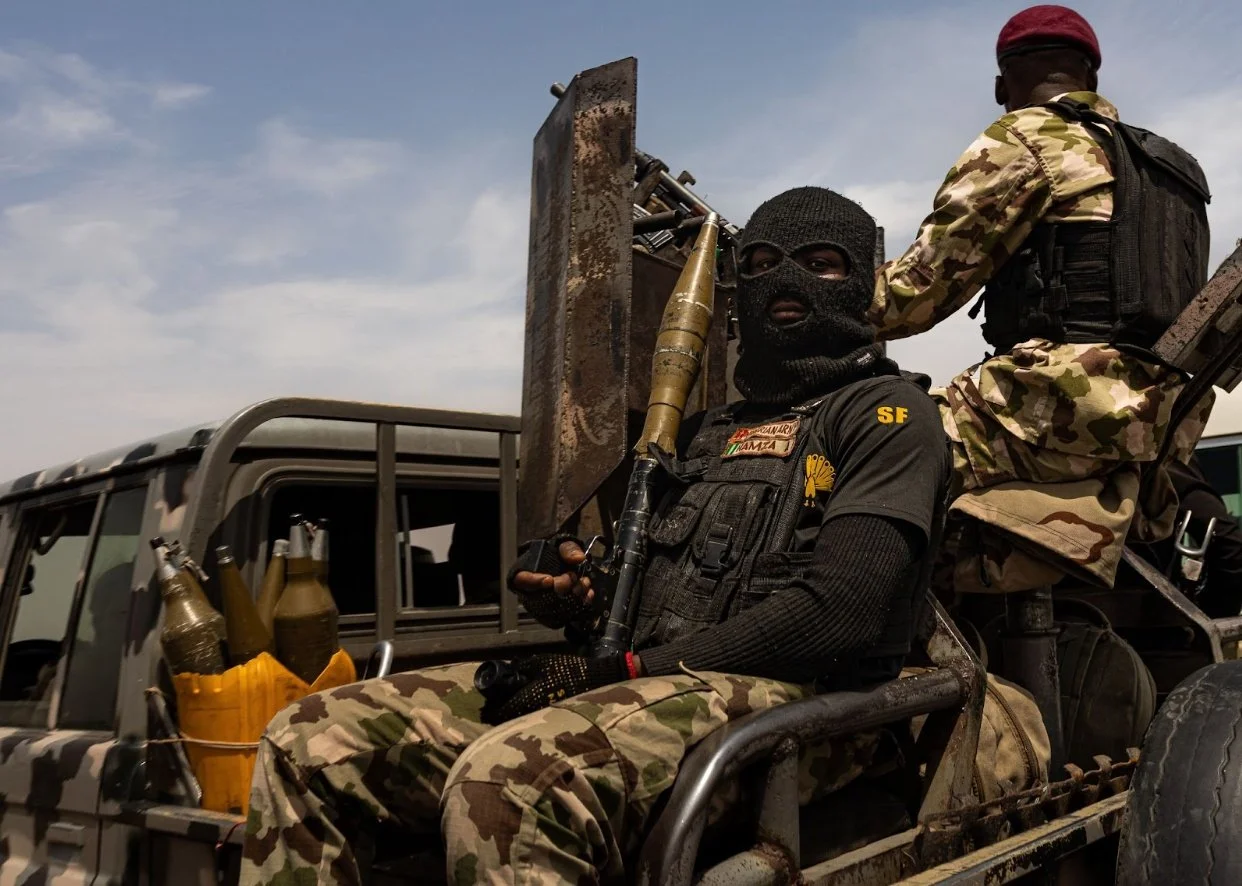
Although the Donbas insurgency and Ukraine’s Euromaidan protests maintain a clear difference in resource endowment, their trajectories in a highly urbanized setting illustrate how that distinction has far less power to produce divergent organizational forms than it did in the twentieth century. In classical terms, the Donbas separatists clearly resemble a resource-rich insurgency: from early on in their lifespan, they benefited from Russian financial, logistical, and intelligence support, access to heavy weaponry, and connections to local oligarchic and security networks in Donbas’ major cities of Donetsk and Luhansk. Euromaidan, by contrast, was “resource-poor” in a Weinsteinian sense, lacking lootable assets or a single dedicated external patron and instead relied on volunteer donations, diaspora support, and the improvised labor of students, workers, and professionals. However, increasing urbanization and the nature of modern urban conflict did not lead to a difference in strategic violence or organizational structure.
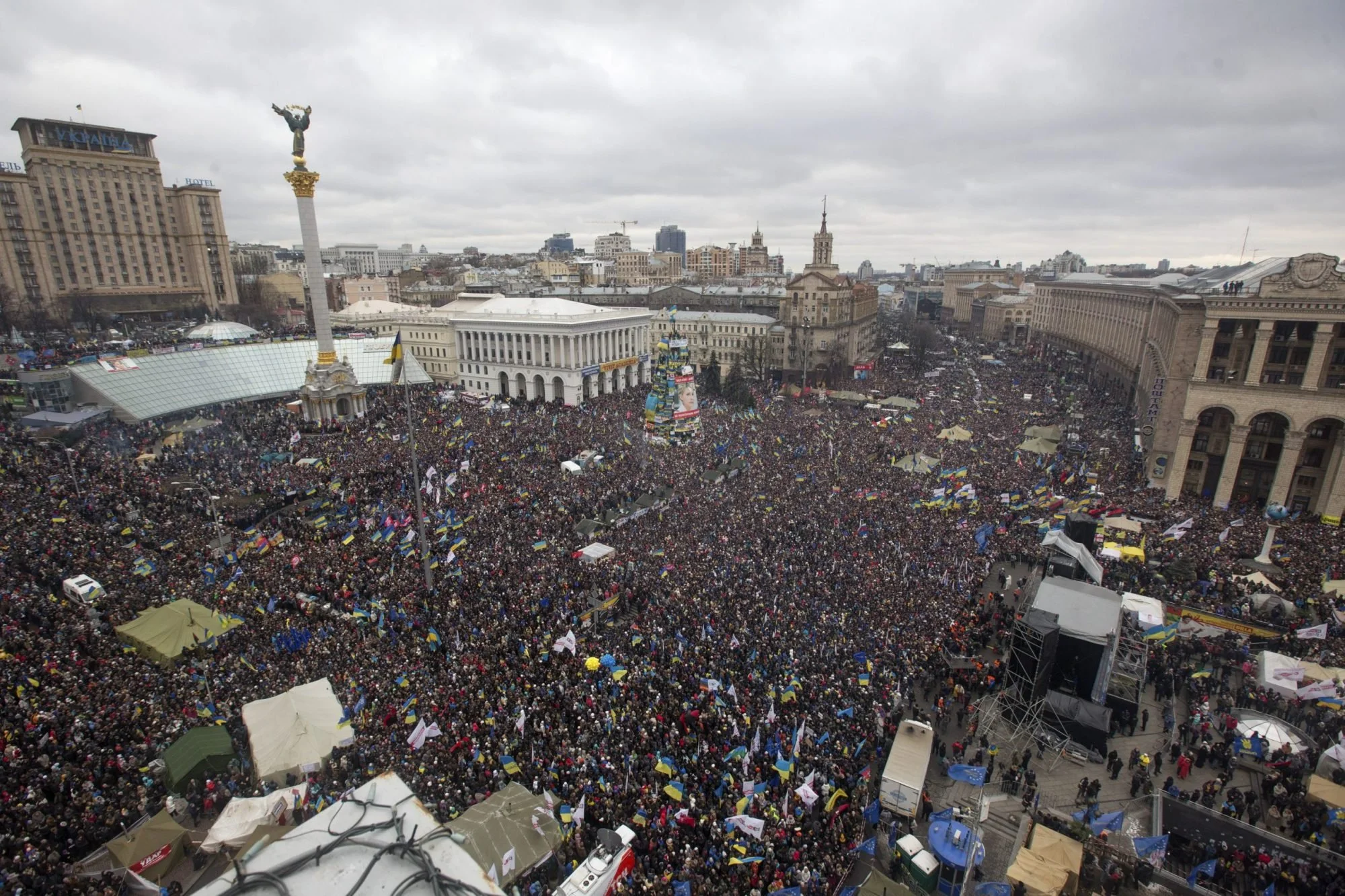
Although the separatists eventually became a military group, they were still formed out of a political movement, practiced selective violence, and sought access to the similar urban points of interest to Euromaidan. Indeed, incorporating Beissinger’s focus on the Revolutionary City leads the two movements to begin to look more similar than different as they jockey for the city as a central resource and revolutionary canvas. In its initial phase, the Donbas rebellion consciously borrowed a Maidan-style urban repertoire: occupation of administrative and security buildings, construction of barricades and checkpoints, and the establishment of ad-hoc “people’s councils” and self-defense units in central squares. Even as the separatists’ struggle hardened into a conventional, Russian-backed proxy war, the militia’s authority rested on holding and administering key urban centers and blocking supply networks for territorial control rather than retreating to remote, lootable peripheries or practicing wanton violence. Euromaidan itself was never an armed insurgency, but it too turned the city into its central resource: the occupation and fortification of Maidan Nezalezhnosti, the creation of self-defense groups, and the emergence of internal policing, medical, and media structures within the square all amounted to a kind of provisional urban wartime political order layered atop the existing state.
The Donbas insurgency’s external patronage and heavier weaponry obviously sets it apart from Euromaidan in terms of firepower, but not in terms of strategy or development. The separatists still had to solve essentially the same organizational problems as Euromaidan, sustaining round-the-clock presence in public spaces, managing loosely-structured volunteer forces, negotiating with local power brokers, and broadcasting its narrative to national and international audiences. As a result, the “rich” Donbas rebels and the “poor” Euromaidan protesters developed surprisingly similar urban, governance-oriented organizational forms. In an urbanized context the city itself becomes a common resource that homogenizes insurgent development and undermines the predictive power of the old resource-rich/resource-poor dichotomy.
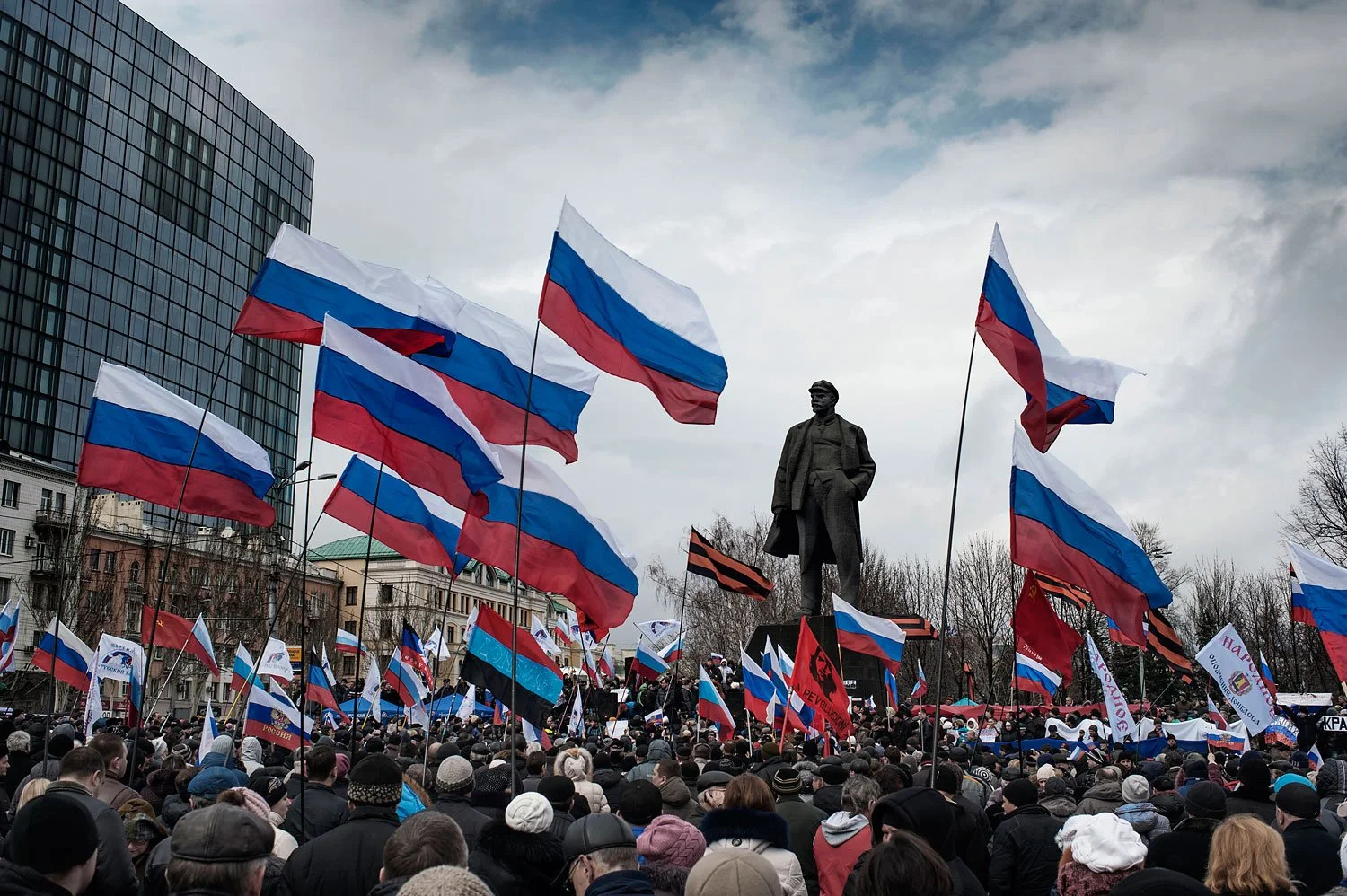
Relatedly, although the PKK and ISIS resonate with opposite mechanisms of affiliation—one an ethno-nationalist movement with Marxist roots, the other a transnational Salafi-jihadist organization—their trajectories in a deeply urbanized environment show how that distinction no longer generates the sharply divergent organizational forms it did in the late twentieth century. A perfect example of a politicized party-movement, the PKK (Kurdistan Workers Party) originated as a rural guerrilla force claiming to speak for the Kurdish nation and developed a dense web of associated political parties, civil-society groups, and local committees embedded in Kurdish communities across Turkey, Syria, and Iraq. ISIS, by contrast, is an archetypal religious insurgency, drawing its legitimacy from a maximalist vision of Islamic governance and mobilizing recruits through jihadi networks stretching far beyond Iraq, Syria, or its Middle Eastern neighbors. Yet once these movements are scrutinized under Beissinger’s Revolutionary City, their developmental logic begins to converge.
As the University of Chicago’s Paul Staniland recognizes, modern insurgency in urbanized contexts begins to take on the form of competitive state-building, with institutions, not explosives, as the main metric of legitimacy and authority. The PKK’s center of gravity increasingly shifted into towns and cities, where it built municipal footholds, neighborhood committees, and youth and women’s organizations that function as parallel authorities in Kurdish-majority urban areas in an effort to carve out durable wartime political orders within state-controlled space. Similarly, ISIS used its religious project to justify the rapid construction of a bureaucratic proto-state over captured cities like Mosul and Raqqa, complete with courts, tax systems, security services, and administrative “diwans,” a pattern that closely resembles Lessing’s account of armed actors exercising criminal-style governance over urban populations.
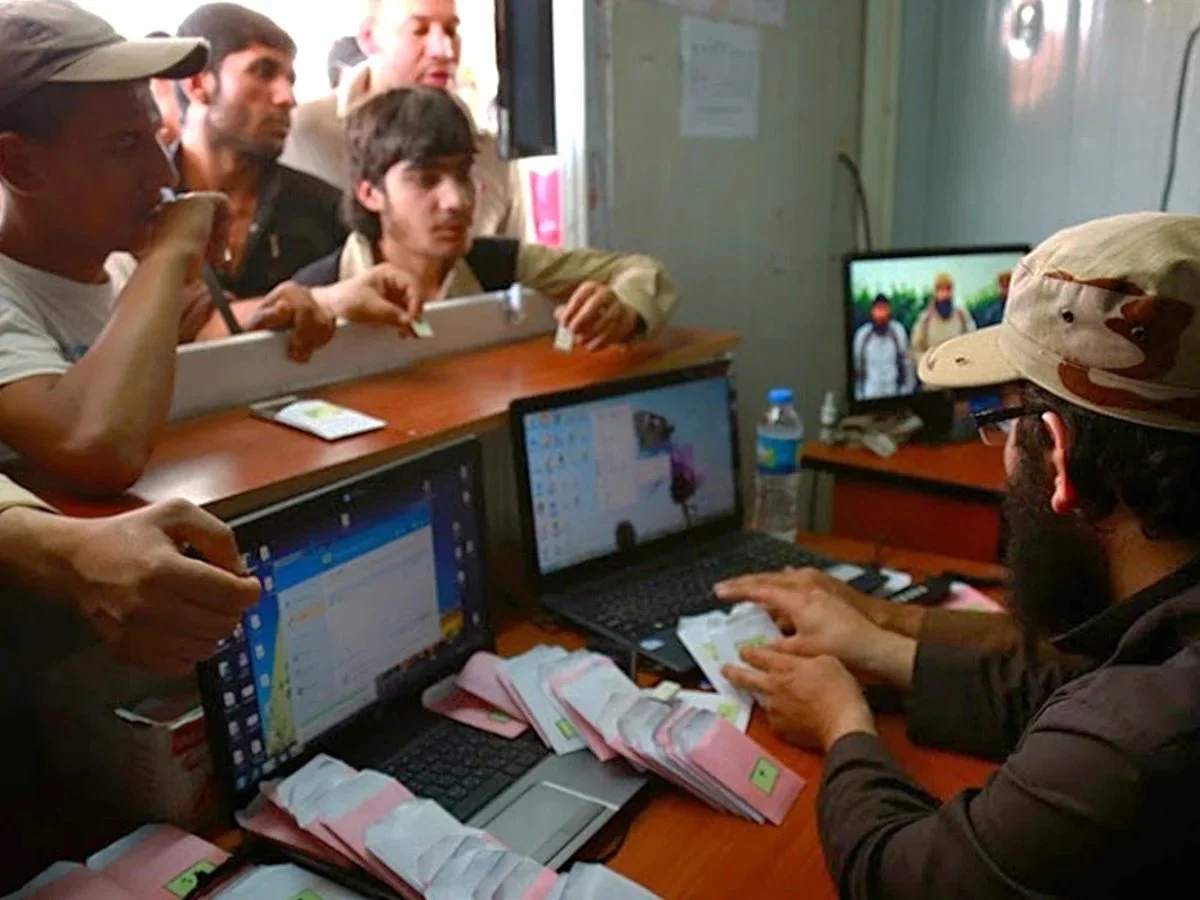
Despite their different mechanisms of affiliation, both organizations ultimately faced similar urban governance problems: how to police dense populations, tax and regulate economic life, manage information and propaganda, and bargain with local elites and external patrons. The PKK’s long-term urban entrenchment and ISIS’s short-lived caliphate differed in ideology and time horizon, but each developed toward an urban, governance-oriented insurgent order that increasingly resembled the other in form, since in today’s world urban control is at the root of political power. As a result, a “political” group like the PKK and a “religious” group like ISIS ended up confronting broadly comparable organizational challenges, organized in similar ways, and sought similar methods of state control, suggesting that in the contemporary era of mass urbanization the city itself acts as a powerful homogenizing environment that erodes the predictive influence of the political–religious distinction on insurgent development.
Although the Donbas war and the Euromaidan protests look radically different on paper—one a militarized secessionist insurgency backed by a foreign patron, the other a mass protest movement that toppled a president—their respective counterinsurgency tactics converge due to urbanization. In Kyiv, the Yanukovych government confronted Euromaidan as an urban challenge of territorial control in the capital. Riot police and interior troops tried to clear the Maidan Nezalezhnosti square, dismantle barricades, retake occupied government buildings, and fragment the protest camp’s self-defense units, while information campaigns and elite bargains attempted to split the opposition and reclaim control of the city’s symbolic center.
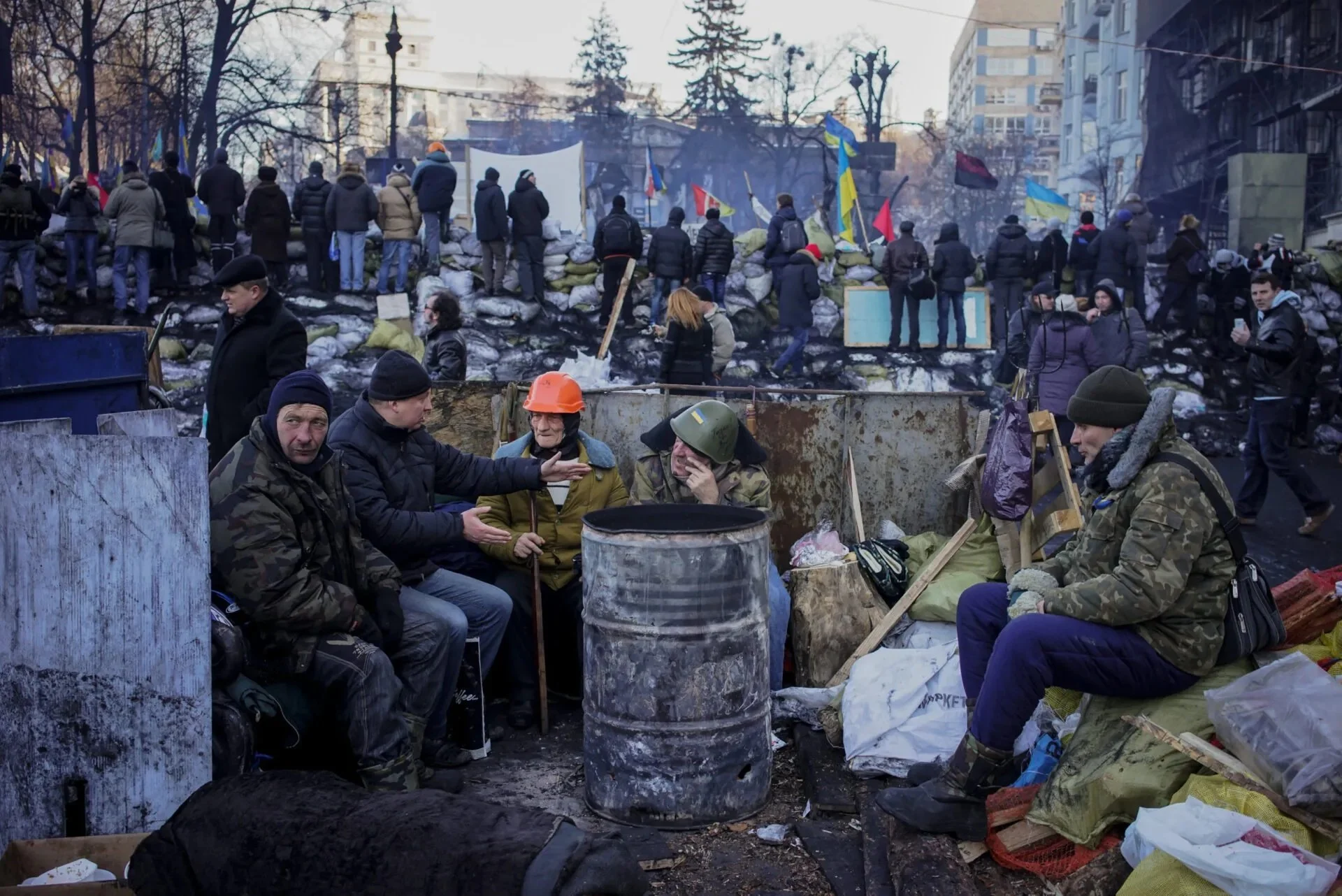
A year later, confronted with armed separatists, Russian “volunteers,” and heavy weapons, the Ukrainian state faced a formally different problem in Donetsk and Luhansk, but its core tasks again centered on cities: retaking or encircling key urban nodes like Sloviansk and Donetsk airport, dismantling separatist checkpoints and local “people’s republic” institutions, contesting municipal administrations, and waging an intense information war over who legitimately governed these spaces. As Beissinger predicts, both counterinsurgency responses held strong tactical emphasis on network disruption, retaking symbolic public spaces, and conducting media and information campaigns to reestablish state legitimacy. In Staniland’s terms, both episodes involved struggles to define wartime political orders inside dense urban environments, in which state forces had to navigate overlapping jurisdictions, informal militias, and local power brokers rather than an identifiable, navigable frontline between “state” and “rebels.” Additionally, successful COIN tactics involved incentive-aligning and power-balancing, often through the manipulation of different alliances and actors to form stable configurations of belligerents.
The Donbas conflict added a heavier conventional and cross-border layer compared to grassroots protests, but at the operational level Kyiv’s challenge looked strikingly similar to that on the Maidan: the state had to block transportation networks, clear and hold city centers, manage the political fallout of using force in the streets, and reassert credible governance over contested urban populations while hostile media and external patrons amplified the other side’s narrative. Just as Beissinger would predict that the Revolutionary City greatly influences conflict, the city also greatly shapes outcomes, oftentimes proving conducive to vague victories and suppressed, not vanquished, insurgencies. Indeed, although the Euromaidan is long over and the separatists have been largely supplanted by formal Russian forces, their political sentiments lay dormant and may be easily incubated in the future, with urban environments serving as a potent nexus of information and volatile tinderbox of revolutionary sentiment.
In this sense, urbanization pulls the regime’s response to a “rich” insurgency in Donbas and a “poor” protest movement in Kyiv toward a common playbook for urban control, blurring the sharp COIN distinctions that twentieth-century resource-based typologies would predict.
Relatedly, although the PKK and ISIS differ sharply in ideology and constituency, the forms of counterinsurgency they attract increasingly converge once their struggles are understood as contests over urban order and governance rather than simply as rural guerrilla wars or counter-terrorism problems.
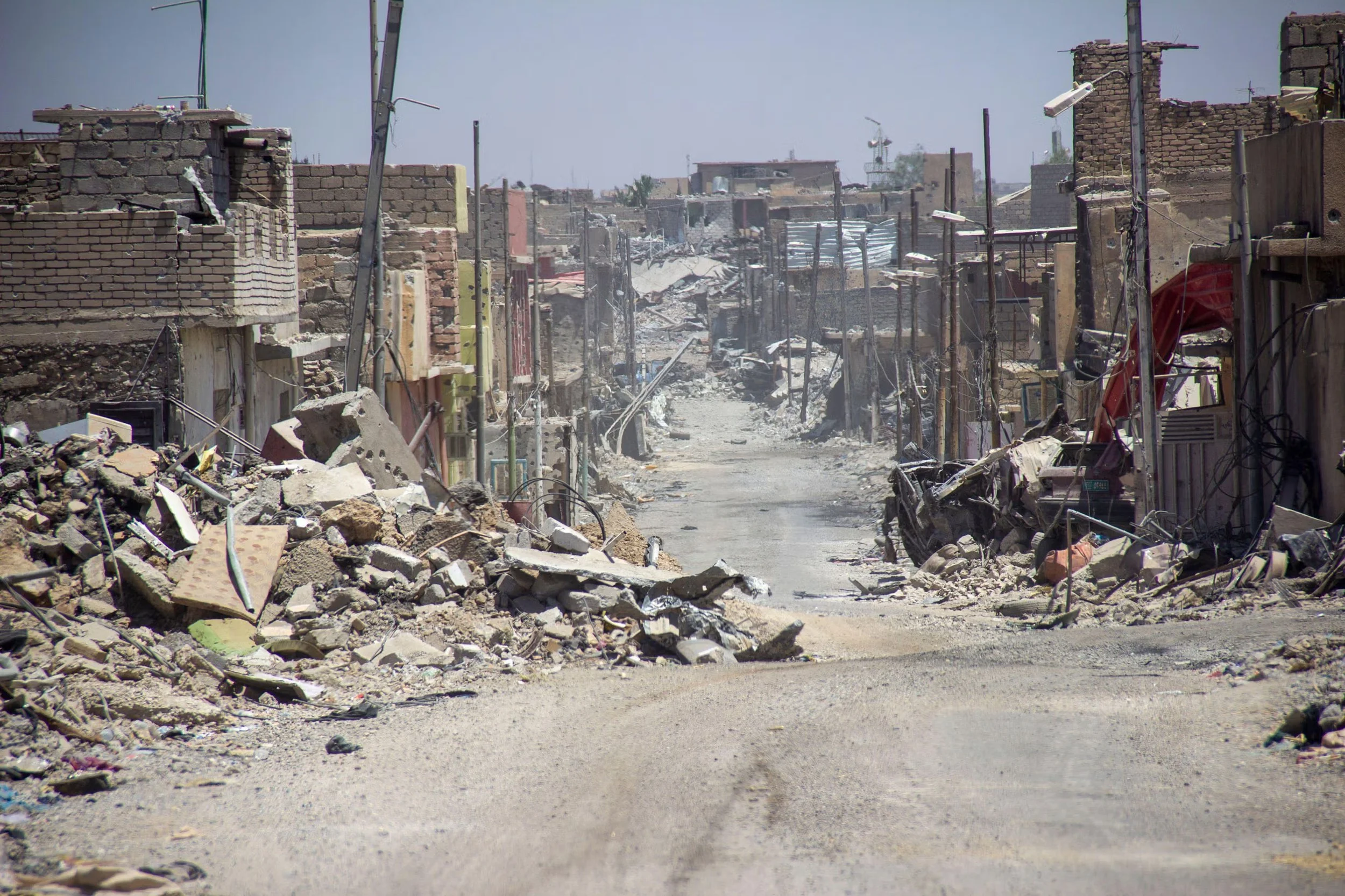
In Turkey’s southeast and later in Kurdish-majority towns in Syria and Iraq, the PKK’s shift from a primarily rural guerrilla organization toward a party-movement embedded in cities forced the Turkish state and its rivals to fight not just armed groups in the mountains but entrenched urban networks—municipal governments, neighborhood committees, youth militias, and associated NGOs—which required a blend of policing, siege warfare, and administrative takeover of local institutions rather than classic search-and-destroy campaigns in rural districts. Similarly, when ISIS seized cities like Mosul and Raqqa and constructed a bureaucratic quasi-state, with diwans regulating taxation, courts, and everyday life, coalition COIN efforts rapidly moved beyond decapitation strikes to what Lessing would call struggles against criminal-style governance: block-by-block urban combat, efforts to disrupt revenue streams and repression apparatuses, and post-liberation attempts to reconstruct local political orders that could credibly replace ISIS rule.
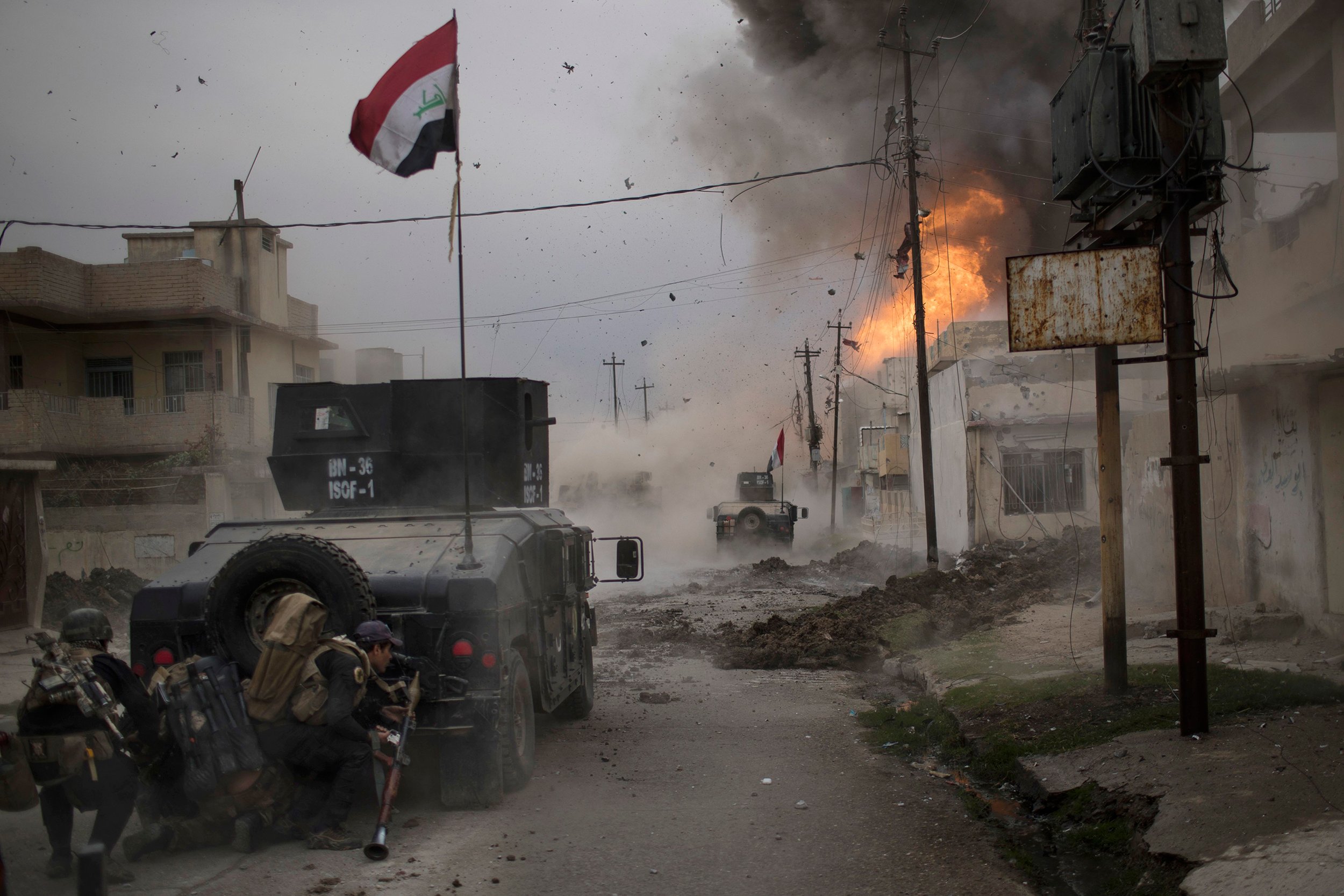
Despite the fact that one group claims legitimacy as an ethno-nationalist leftist movement and the other as a universalist caliphate, both insurgencies end up necessitating COIN campaigns organized around similar core tasks in highly urbanized settings: isolating and retaking dense population centers, dismantling parallel institutions of rebel governance, managing large-scale displacement and reconstruction, and coordinating with a patchwork of local militias and external patrons. In Beissinger’s terms, the Revolutionary City becomes the shared terrain that channels otherwise different insurgencies into similar forms of state response, helping to explain why contemporary COIN against the PKK and ISIS looks far more alike than older ideological typologies would predict and lending contemporary support to the Field Manual’s claim about broadly similar tactics.
So what patterns, if any, remain? These twentieth- and twenty-first-century cases suggest that the Field Manual is neither wholly wrong nor wholly right, but that its partial validity is conditional on the underlying structure and context surrounding a conflict.
Across UNITA and the FMLN, The Shining Path and the Mujahideen, Donbas and Euromaidan, and the PKK and ISIS, a few universal regularities do emerge: effective counterinsurgency must target an insurgency’s resource base (whether diamonds, external patrons, or urban crowdfunding), grapple with its social foundations and governance practices, and manage alliances, rivalries, and defections.
These are not the uniform “similar tactics” implied by the Field Manual so much as families of strategies that become legible only once we diagnose how a given insurgency is resourced, embedded, and organized. In the twentieth century, that diagnosis hinged above all on the independent variables of resource endowments and mechanisms of affiliation—rich vs. poor, political vs. religious—which produced deep “phenotypic” variation in insurgent development and ensuing COIN response.
In the twenty-first century, however, mass urbanization, hybrid warfare, and the rise of criminal-style governance has tended to push insurgent organizations and state responses toward more similar urban, governance-oriented forms, weakening the effectiveness of the independent variables in producing different types of insurgency.
The remaining question, and the one this article attempts to take up directly, is how far this emergent convergence in contemporary conflicts can be stretched before the Field Manual’s blanket claim about similar insurgent development and broadly similar COIN tactics once again collapses under the weight of empirical variation. When will insurgents understand their increasing worldwide similarity, and seek to radically differentiate themselves?
In conclusion, the Field Manual’s claim that most insurgencies follow a similar course of development and therefore require broadly similar tactics was empirically wrong for much of the twentieth century, when resource endowments and mechanisms of affiliation served as a sort of differentiable genetic ingredient, producing produce sharply divergent insurgent organizations and COIN responses. However, in the twenty-first century, accelerating urbanization and the rise of dense, interconnected wartime political orders have homogenized the “phenotype” of insurgency: resource-rich and resource-poor groups, as well as political and religious movements, increasingly converge on similar urban, governance-oriented forms. As a result, contemporary COIN operations across very different contexts now rely on a common toolkit of urban control, alliance management, and governance competition, making the Field Manual’s core intuition more accurate today than it was for the insurgencies that originally inspired it.
The preceding sections showed why the Manual’s universalism fails in the twentieth-century cases. The comparison between UNITA and the FMLN demonstrated that variation in resource endowments—“rich” diamond-funded rebels versus “poor,” activist-based guerrillas—systematically shaped recruitment, discipline, and patterns of violence, and thus demanded radically different state responses. Heavy-handed resource-denial and border interdiction made sense against UNITA, while population-centric programs, reforms, and civic action were far more appropriate against the FMLN. Similarly, the contrast between The Shining Path and the Afghan Mujahideen underscored how political versus religious mechanisms of affiliation generate distinct organizational trajectories and wartime political orders: a centralized Maoist vanguard seeking to replace local authority in Peru versus fragmented networks of commanders embedded in tribal and clerical structures in Afghanistan are obviously different. Here, too, effective COIN had to be tailored accordingly, either toward dismantling an integrated revolutionary order and fostering peasant militias in the former case, or toward managing rival commanders and local security providers in the latter. Across these twentieth-century examples, there was no single “course of development” and no uniform repertoire of effective COIN tactics, contrary to the Field Manual’s assertion.
The twenty-first-century cases, however, reveal a different dynamic. As Beissinger’s Revolutionary City suggests, mass urbanization has elevated dense city space itself into the primary resource around which contention is organized. The Donbas insurgency and the Euromaidan protests began from opposite points on the resource spectrum yet both ended up confronting and organizing around similar urban organizational problems: occupying and fortifying central spaces, creating self-defense structures, constructing ad hoc governance, and waging information battles over the same cityscapes. Likewise, the PKK and ISIS differ radically in ideology, mechanism of affiliation, and claimed constituency, but once their struggles shift decisively into towns and cities, they converge on urban quasi-statehood, relying on courts, police, tax systems, and media apparatuses that attempt to govern dense populations. In Staniland’s terms, these actors are no longer just guerrillas but builders of urban wartime political orders; in Lessing’s, they increasingly resemble armed governors of criminal or quasi-sovereign territories. Contemporary COIN against them—whether Turkish operations against PKK-linked municipalities or coalition campaigns to dismantle ISIS in Mosul and Raqqa—thus look strikingly similar in its core tasks of retaking cities, breaking parallel institutions, managing militias and alliances, and reconstructing governance.
What survives across all of these cases are not the strong, ahistorical regularities imagined by the Field Manual, but a set of limited, conditional patterns. Effective COIN must still target an insurgency’s resource base, grapple with its social foundations and forms of governance, and manage alliances and defections. In the twentieth century, the tactics required to effectively achieve these strategic initiatives looked very different depending on whether one faced a resource-rich or resource-poor insurgency, or a political versus religious movement, and any doctrine that treated “most insurgencies” as following a common script was misleading. In the twenty-first century, by contrast, urbanization and the rise of complex wartime political orders have narrowed the range of organizational outcomes: insurgencies and even mass protest movements are increasingly urban, governance-oriented, and embedded in similar kinds of contested city spaces. This does not fully vindicate the Field Manual’s universalism retroactively, but it does suggest that its intuition about shared developmental patterns and broadly similar COIN tactics has become more plausible in the contemporary era, provided we recognize that this convergence is historically contingent, rooted in the city, and likely to fray again if the structural conditions of conflict change.
Bibliography
Balcells, Laia, and Stathis N. Kalyvas. “Ideology and Revolution in Civil Wars: The ‘Marxist Paradox.’” American Political Science Review.
BBC News. “Ukraine Crisis: Timeline.” BBC News, April 2014.
Beissinger, Mark R. The Revolutionary City: Urbanization and the Global Transformation of Rebellion. Princeton, NJ: Princeton University Press, 2022.
Biddle, Stephen, Jeffrey A. Friedman, and Jacob N. Shapiro. “Testing the Surge: Why Did Violence Decline in Iraq in 2007?” International Security 37, no. 1 (2012): 7–40.
Christia, Fotini. Alliance Formation in Civil Wars. Cambridge: Cambridge University Press, 2012.
Encyclopaedia Britannica. “Islamic State in Iraq and the Levant.” Encyclopaedia Britannica.
Encyclopaedia Britannica. “Kurdistan Workers’ Party.” Encyclopaedia Britannica.
Guerrieri, August. “The Donbas Separatist Movement: A War of Independence, Hijacked.” Journal of Peace and War Studies 6 (October 2024): 89–104.
Kalyvas, Stathis N. The Logic of Violence in Civil War. Cambridge: Cambridge University Press, 2006.
Krapfl, James, and Elias Kühn von Burgsdorff. “Ukraine’s Euromaidan and Revolution of Dignity, Ten Years Later.” Canadian Slavonic Papers 65, nos. 3–4 (2023): 325–334.
Krepinevich, Andrew F. The Army and Vietnam. Baltimore: Johns Hopkins University Press, 1986.
Lessing, Benjamin. “Conceptualizing Criminal Governance.” Perspectives on Politics 19, no. 3 (2021): 854–73.
Lyall, Jason, Graeme Blair, and Kosuke Imai. “Explaining Support for Combatants during Wartime: A Survey Experiment in Afghanistan.” American Political Science Review 107, no. 4 (2013): 679–705.
Lyall, Jason, and Isaiah Wilson. “Rage Against the Machines: Explaining Outcomes in Counterinsurgency Wars.” International Organization 63, no. 1 (2009): 67–106.
Oxford Reference. “Mujahidin / Mujahideen.” Oxford Reference Online.
ResearchGate. “Today McDonald’s Operates in Almost 120 Countries.” Figure in article accessed via ResearchGate.
Seymour, Lee J. M. “Why Factions Switch Sides in Civil Wars: Rivalry, Patronage, and Realignment in Sudan.” International Security 39, no. 2 (2014): 92–131.
Staniland, Paul. “States, Insurgents, and Wartime Political Orders.” Perspectives on Politics 10, no. 2 (2012): 243–64.
U.S. Marine Corps. Marine Corps Warfighting Publication (MCWP) 3-33.5: Insurgencies and Countering Insurgencies. Washington, DC: Headquarters U.S. Marine Corps, n.d.
Weinstein, Jeremy M. Inside Rebellion: The Politics of Insurgent Violence. Cambridge: Cambridge University Press, 2007.